
Sandhill Crane
Latin: Antigone canadensis
Scroll down for updates and visitor information
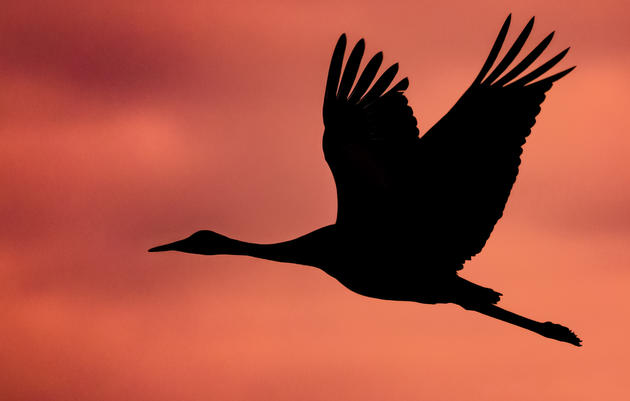
Photo: Photo: Nancy Schmidt/Rowe Volunteer
Audubon's Rowe Sanctuary is a 3,000 acre nature sanctuary located along the Platte River in south-central Nebraska. Our mission is to protect the Platte River ecosystem and the birds that rely on it through habitat management and restoration, education programs, community outreach, and promoting crane viewing experiences in riverside blinds during the spring migration.
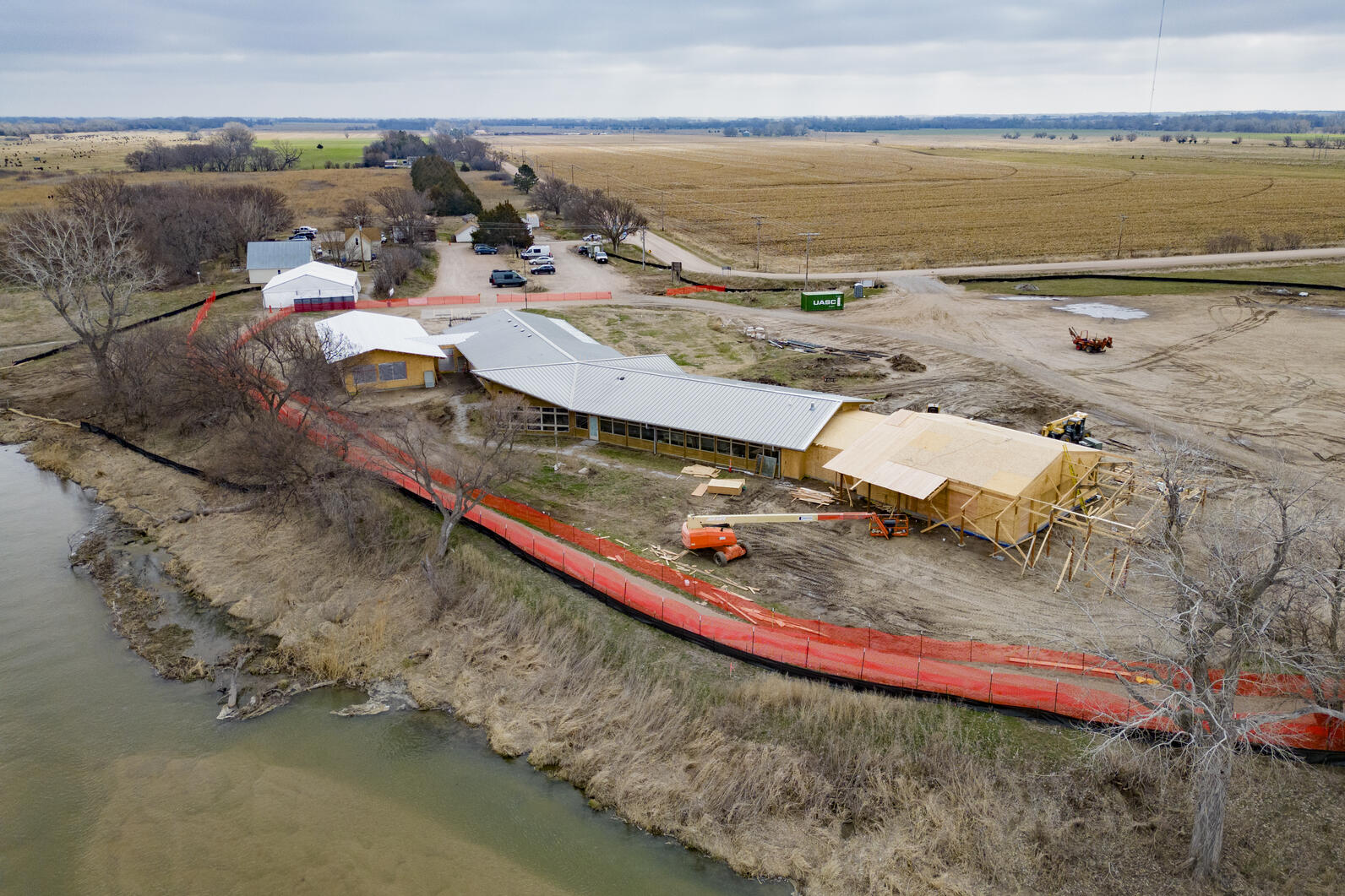
The Iain Nicolson Audubon Center and west trail are currently closed due to ongoing construction. Scroll down for more information about our renovation project! Parking is located to the north of the Morton building near the main entrance. Our trails are open daily from dawn-dusk- look for signage to indicate the trailhead location. Pets on a leash are only allowed in the parking lot and in a designated pet exercise are east of the parking lot. No pets are allowed on the trails. Porta-potties are located on-site.
If you have questions or need assistance please contact us by phone at 308-468-5282 or via email at rowesanctuary@audubon.org
At Rowe Sanctuary, we are:
We continually seek to increase these centers’ accessibility to the public, because we know that people first must learn more about their environment before they are motivated to care for it. These investments will touch everything—from education to habitat conservation, from science-based programming to operations—that Audubon Nebraska does and can achieve at our centers and beyond.
Click here for more information on the Elevate Nebraska campaign.
We are able to protect this important landscape and provide education programs through generous donations from people like you! If you would like to make a contribution, click on the orange “Donate Now” button on the top of this page. Thank you so much for your support!
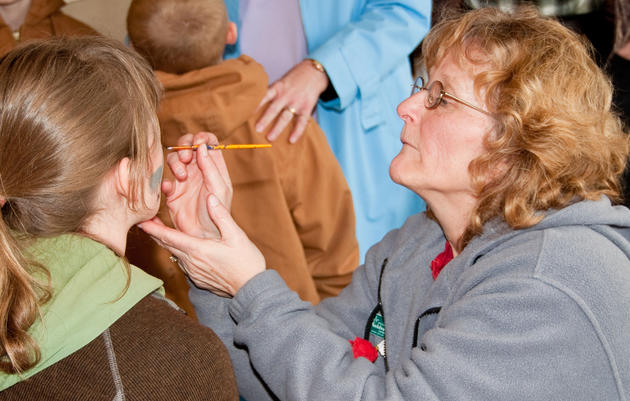
Volunteers are critical to the operations at the Iain Nicolson Audubon Center at Rowe Sanctuary. Take a look at our volunteer opportunities and consider joining this incredible team.

Your generous support helps to ensure that Sandhill Cranes and other wildlife that depend on the Platte River will have this wonderful resource for years to come.

Our gift shop has a wide variety of items and your purchase supports our conservation efforts along the Platte River in south-central Nebraska.


